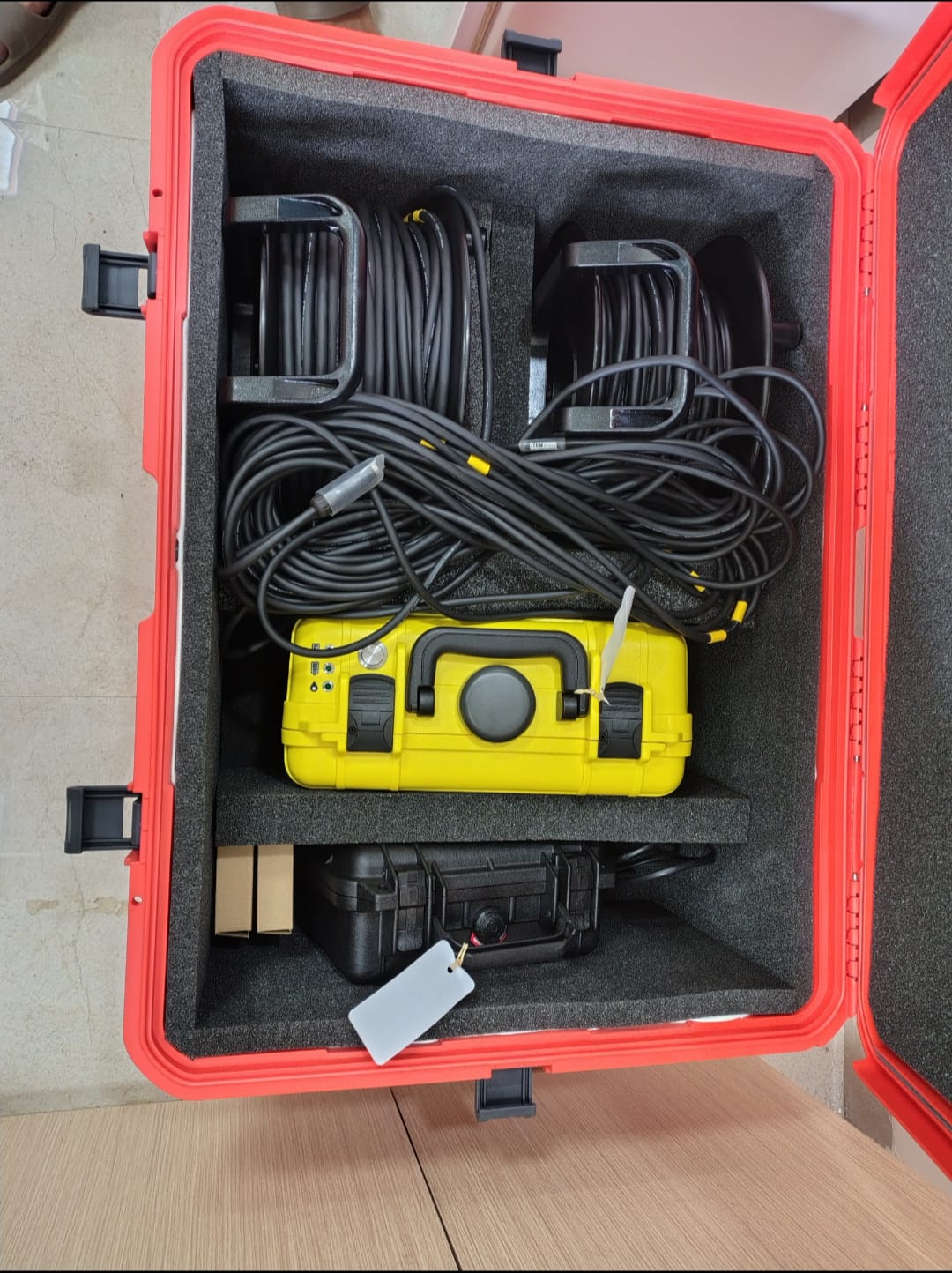
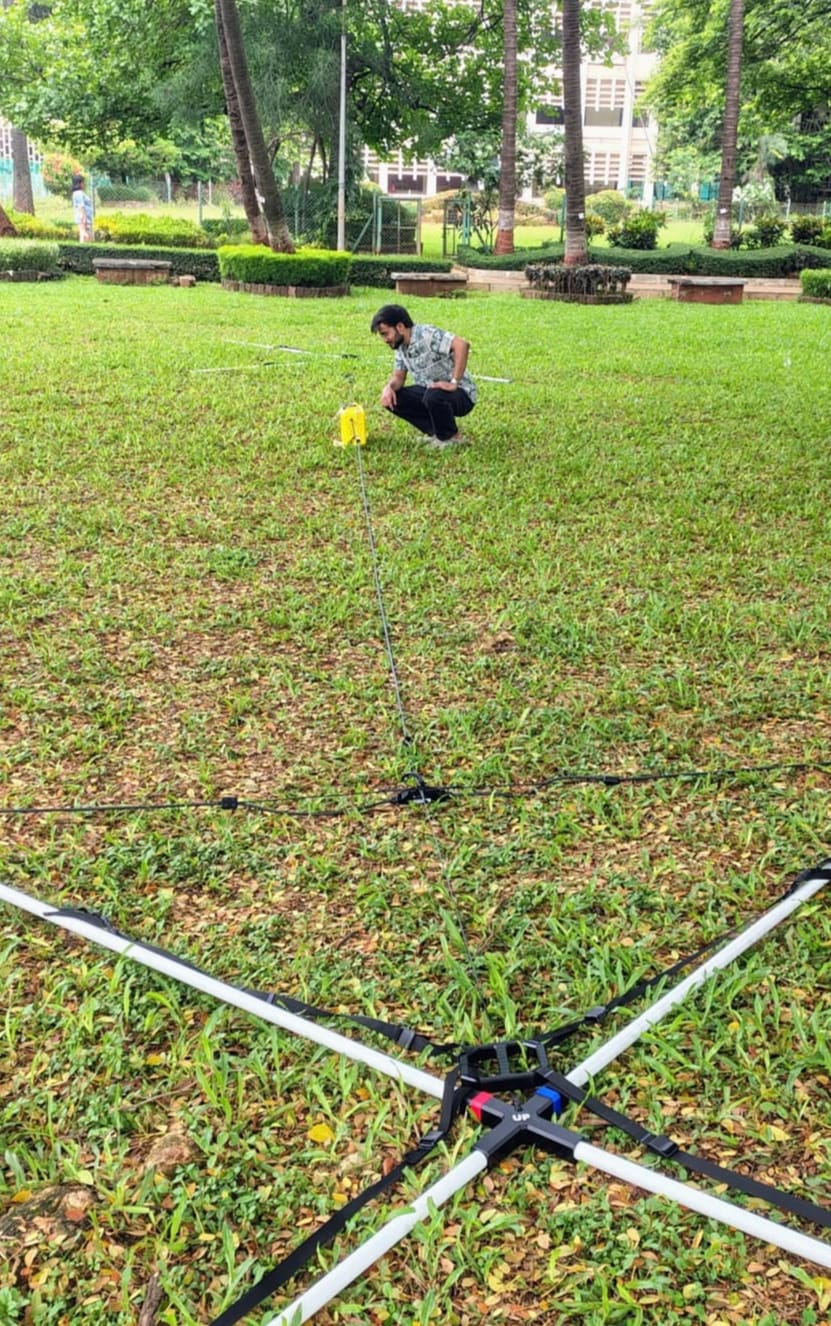
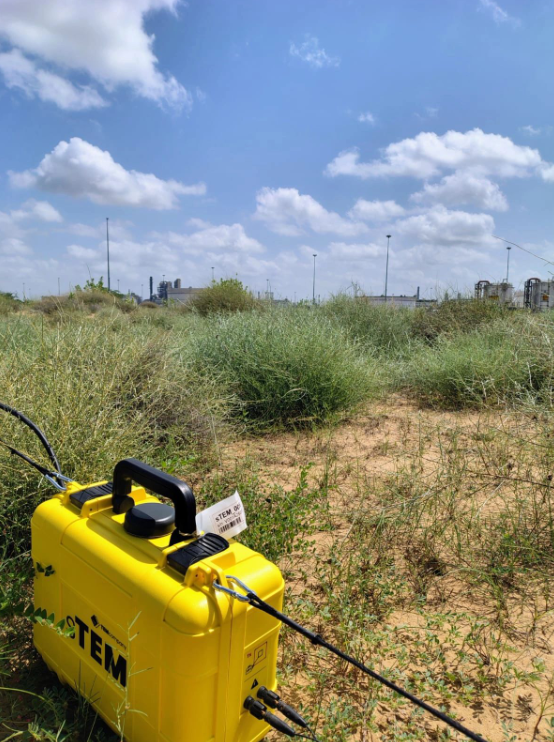
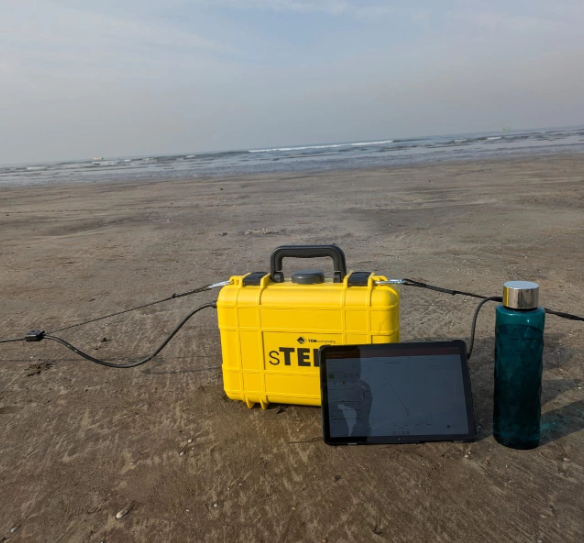
Used TEM surveys for groundwater exploration and depth sounding. Deployed transmitter loops and receiver coils to measure subsurface conductivity variations as a function of time after current cutoff.
Computational Geophysics Researcher
Solving subsurface mysteries through inversion, deep learning, and high-performance scientific computing.
I am a computational geophysics researcher specializing in inversion, deep learning applications in geophysics, and high-performance scientific computing. My work focuses on solving real-world subsurface problems such as groundwater detection using advanced inversion techniques and machine learning.
I bridge the gap between classical geophysical methods and modern computational approaches, developing efficient algorithms that scale to real-world datasets and deliver actionable insights for resource exploration and environmental studies.
Research-driven software tools built for real geophysical challenges
Developed a high-performance 3D gravity inversion framework using Julia. Implemented Conjugate Gradient (CG) methods to efficiently solve large-scale inverse problems on both synthetic and real datasets.
Developed a deep learning framework for gravity inversion to estimate basement depth by comparing Physics-Guided Neural Networks (PGNNs) and data-driven CNNs. Integrated Granser's forward model into a hybrid physics-based loss, improving generalization and ensuring physically consistent predictions.
Developed a deep learning-based framework for Transient Electromagnetic (TEM) inversion to estimate subsurface conductivity models from observed data using synthetic forward simulations.
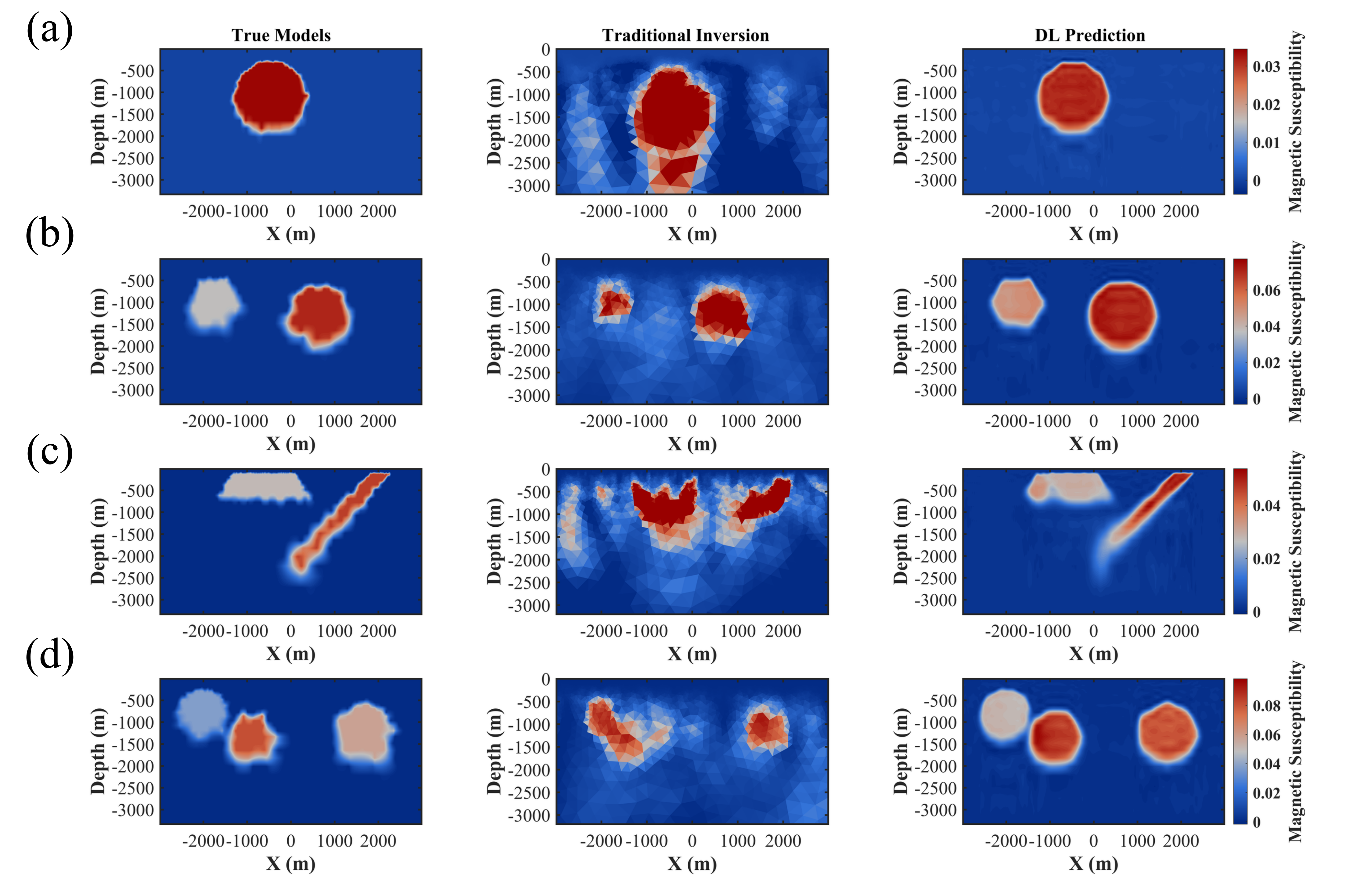
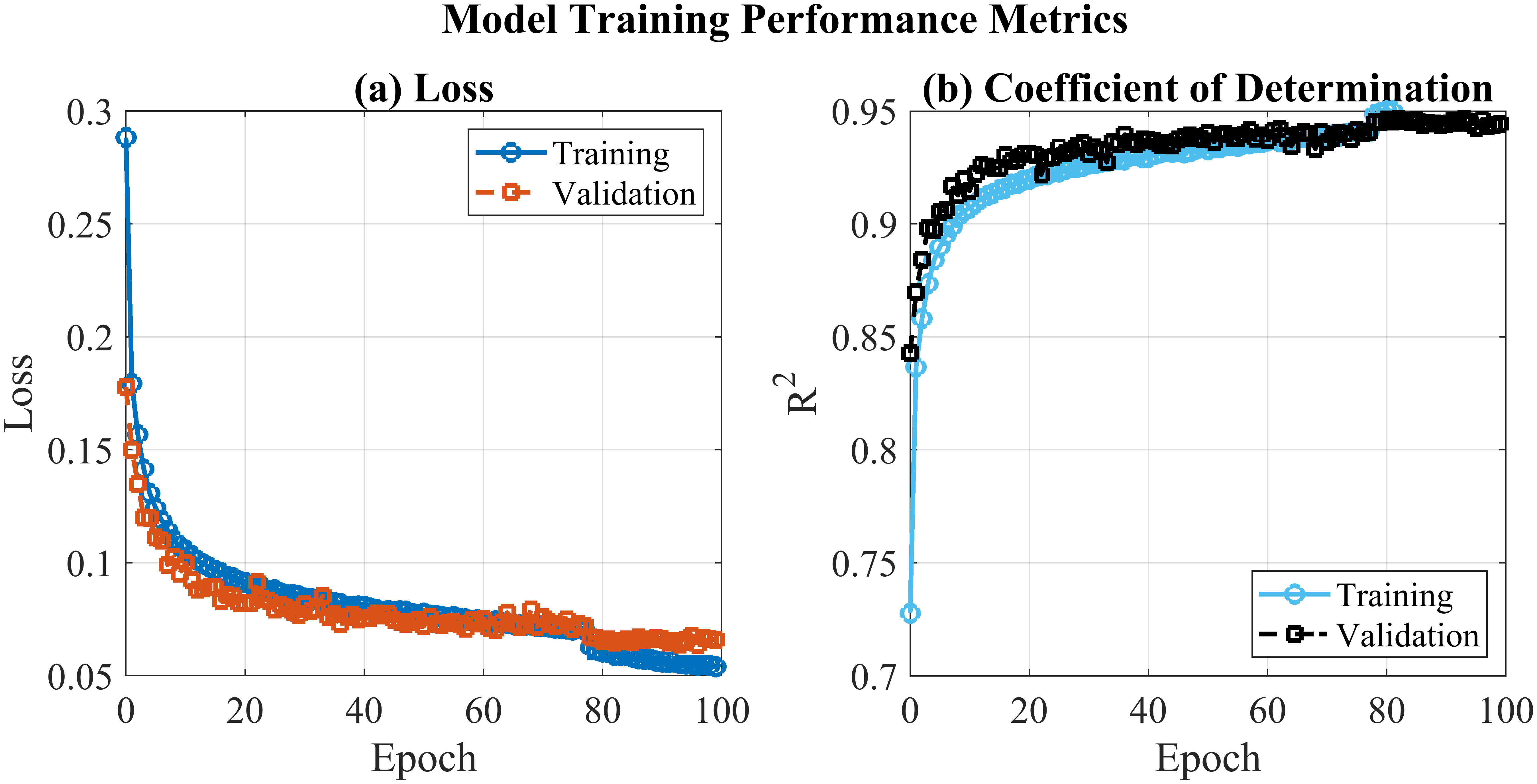
Developed a U-Net-based deep learning model addressing remanent magnetization and unknown magnetization direction in magnetic inversion.
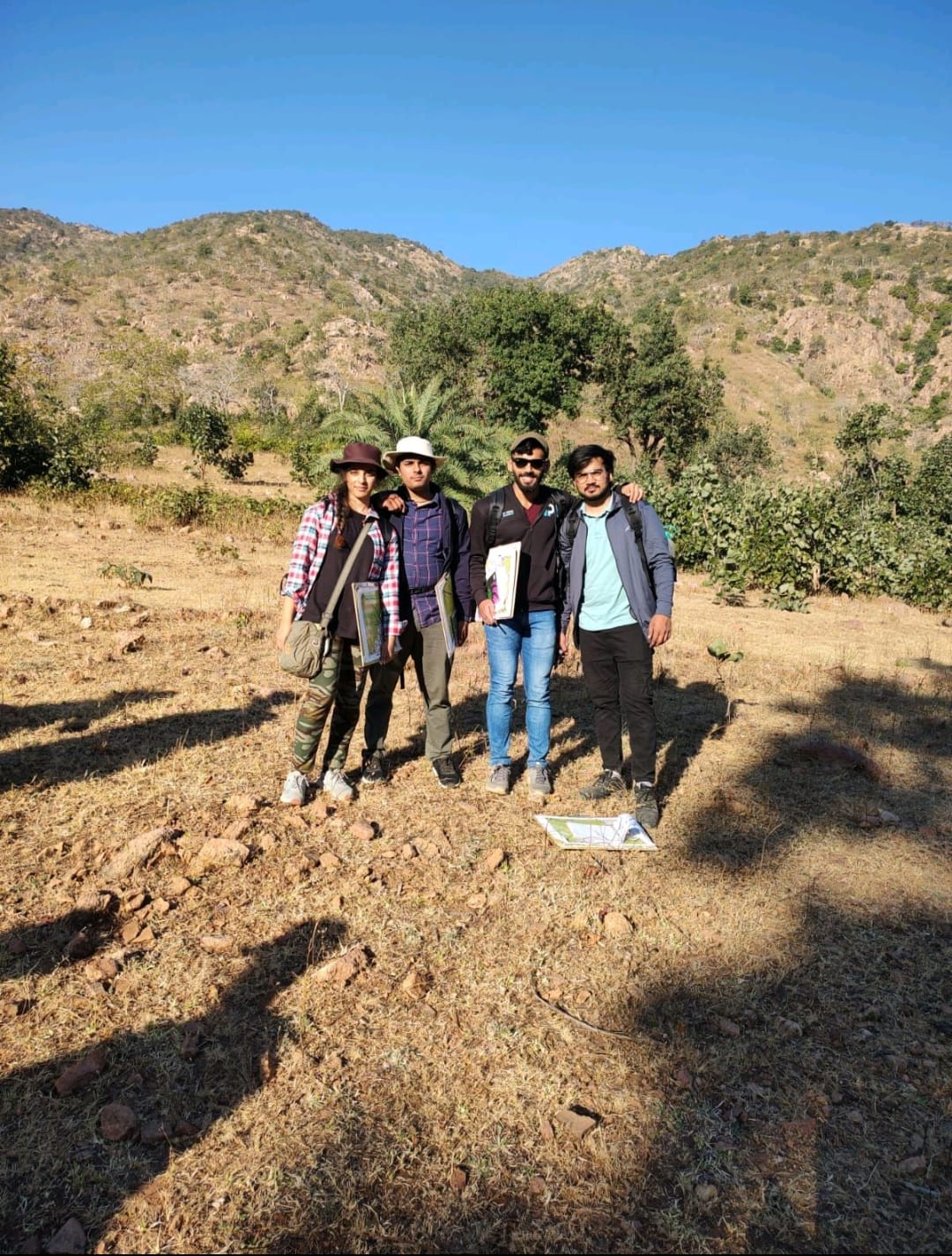
Hands-on geophysical survey experience with industry-standard instruments across diverse field environments.
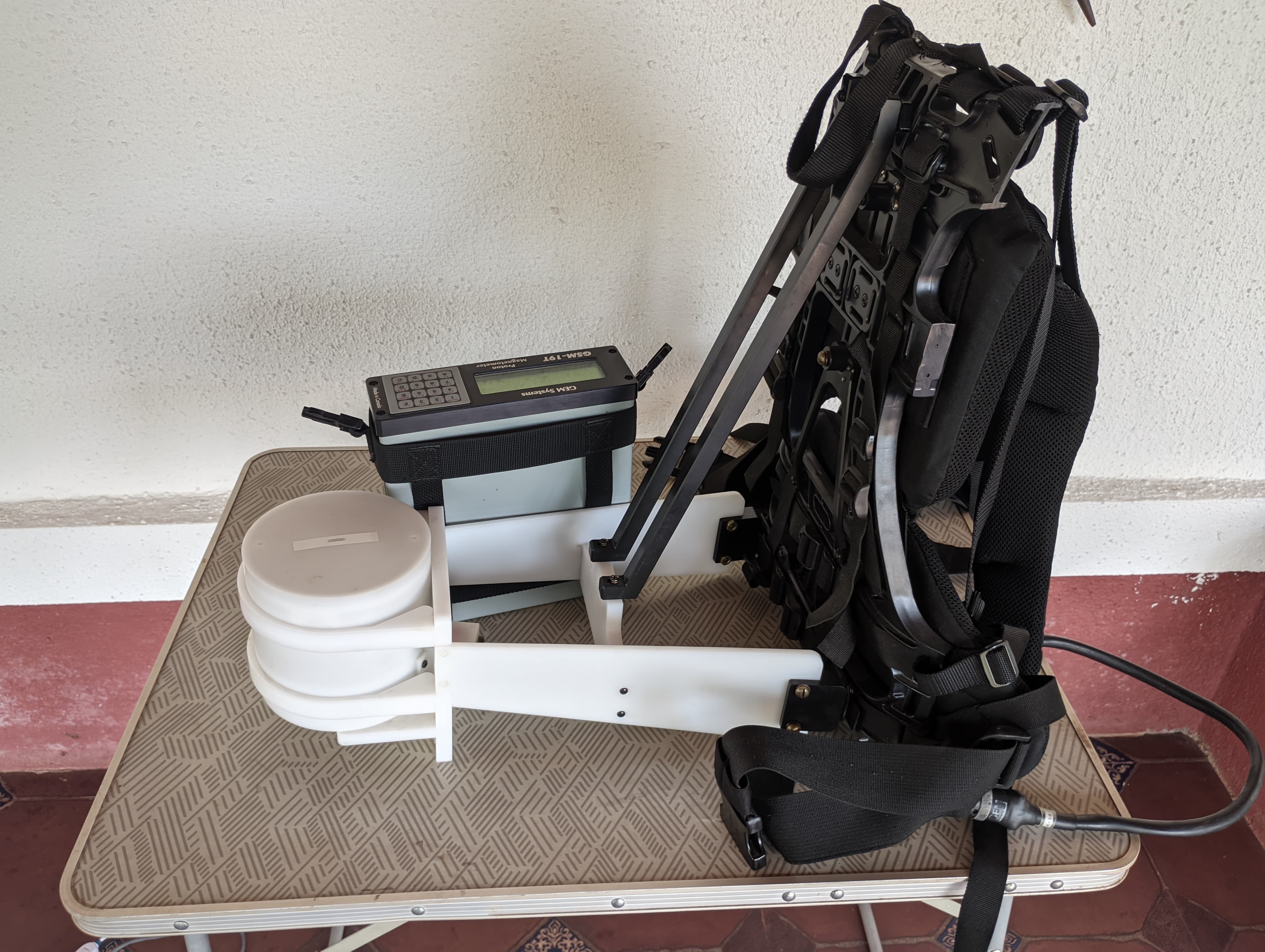
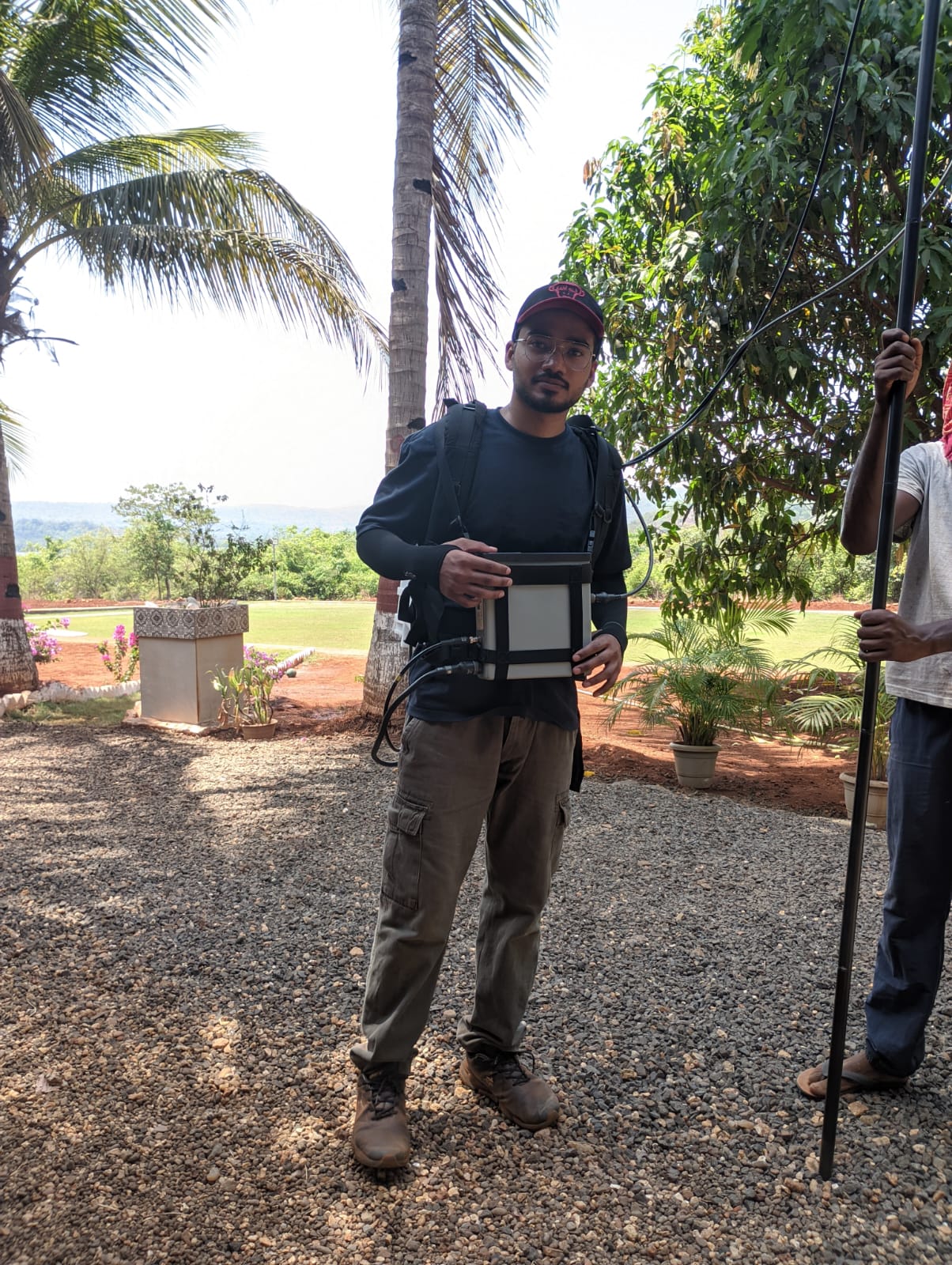
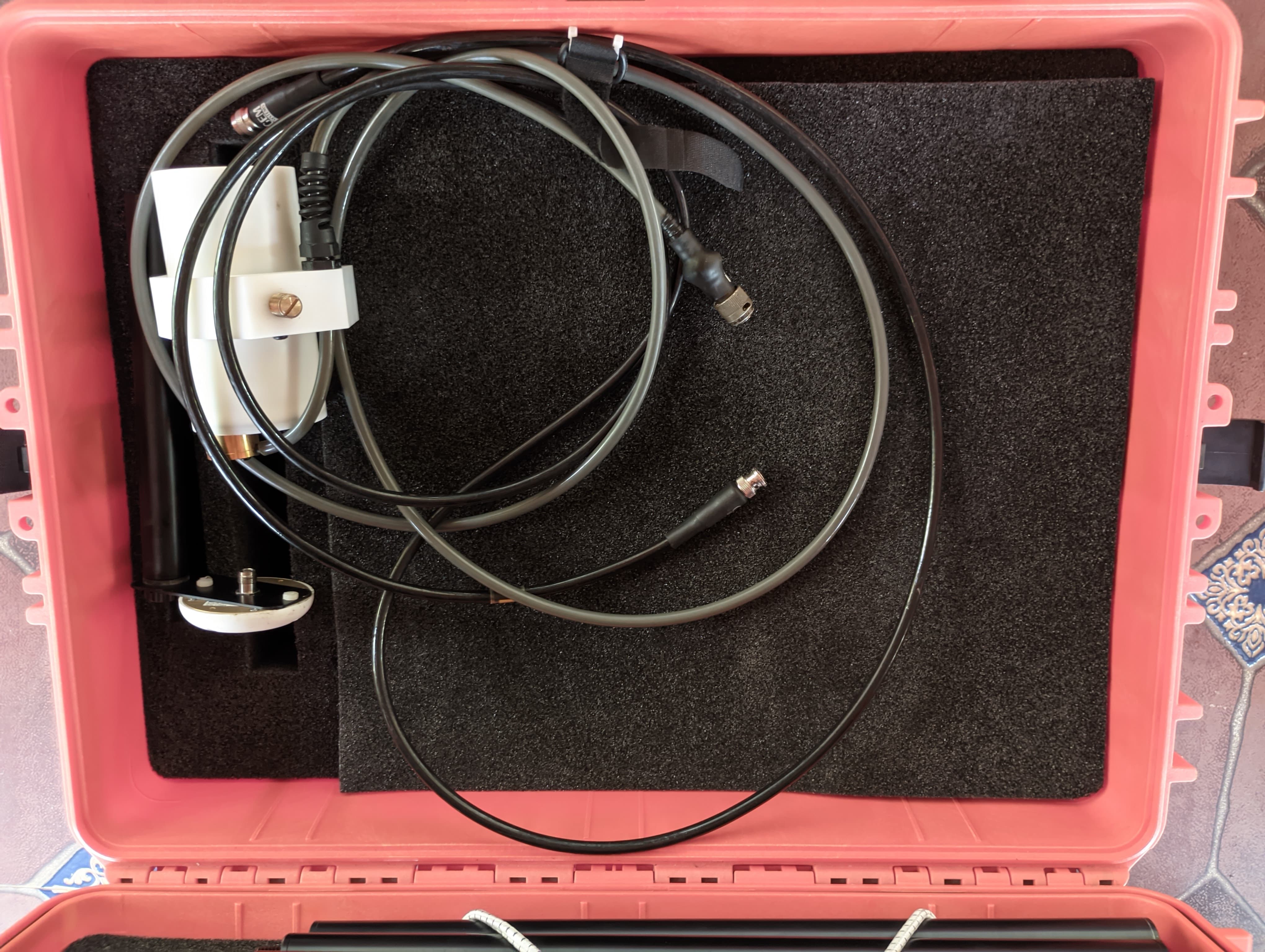
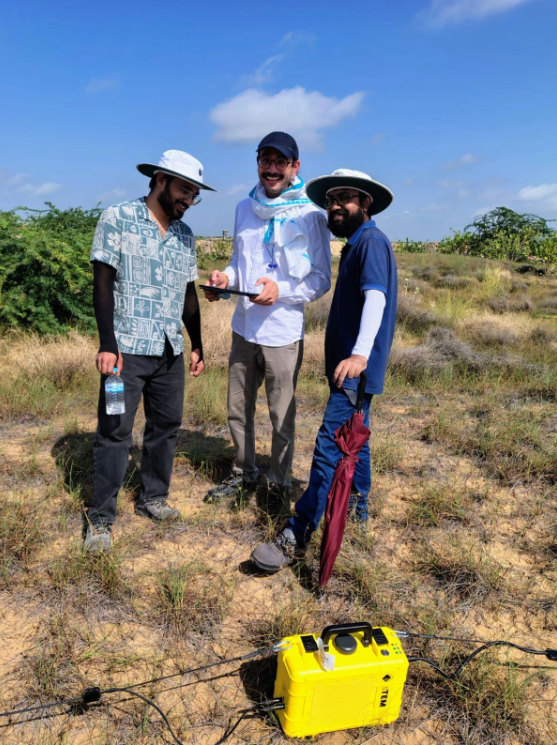
Used TEM surveys for groundwater exploration and depth sounding. Deployed transmitter loops and receiver coils to measure subsurface conductivity variations as a function of time after current cutoff.
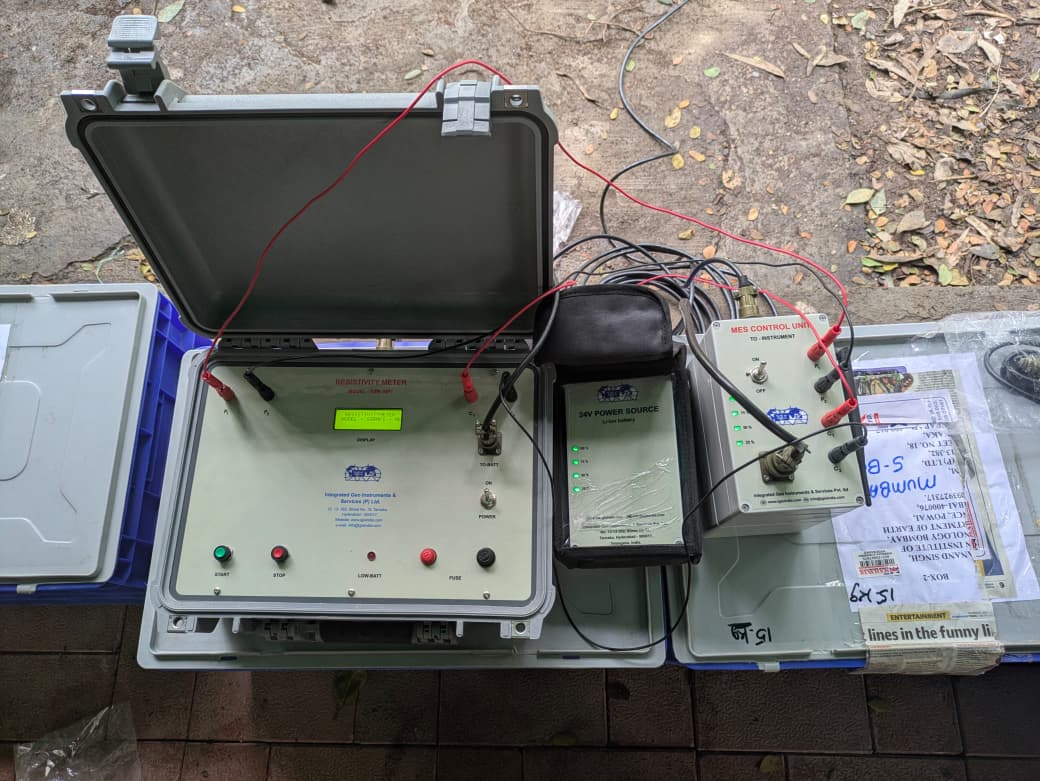
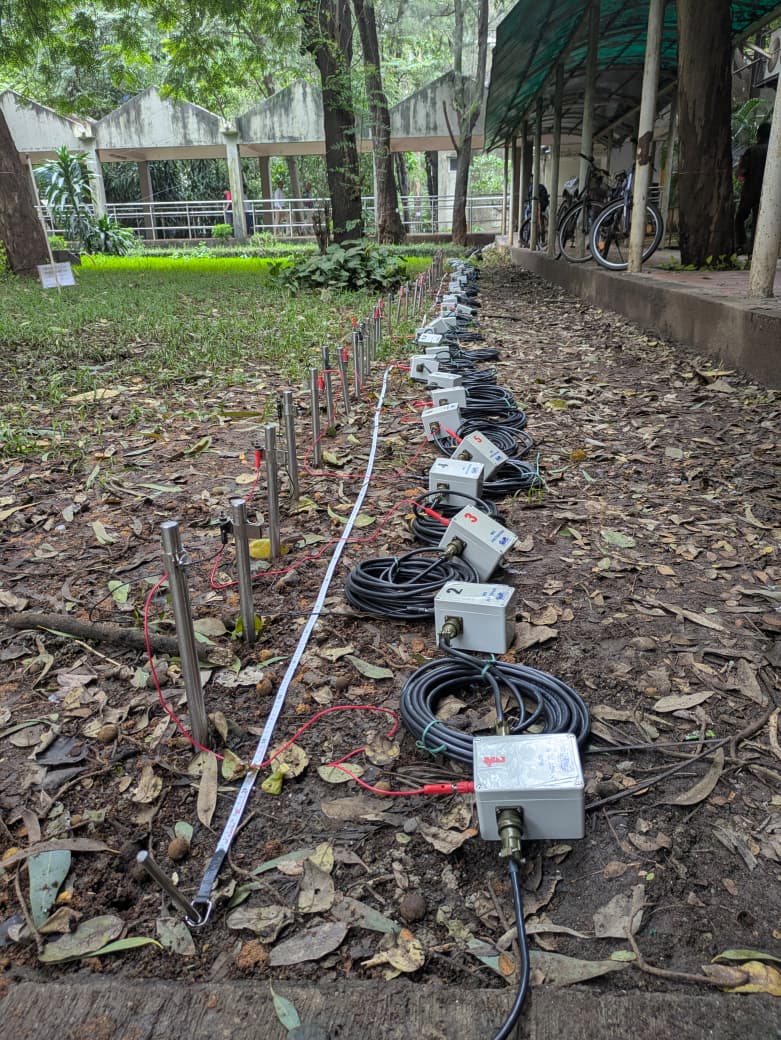
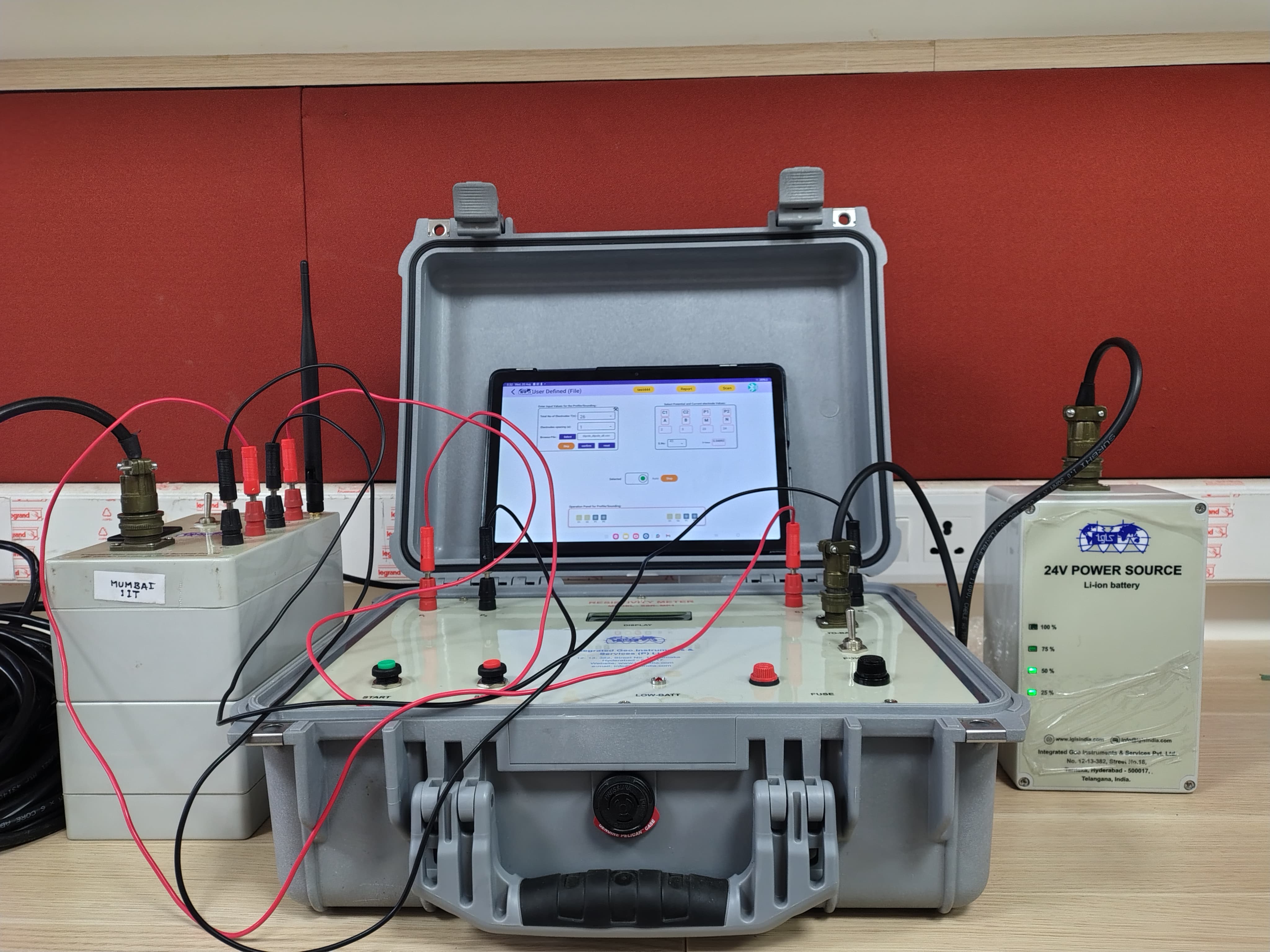
Conducted DC resistivity surveys using Wenner and Schlumberger electrode arrays for vertical electrical sounding (VES) and 2D imaging of subsurface resistivity structures.
Operated VLF electromagnetic instruments to map shallow conducting structures and geological faults. Used tilt-angle and ellipticity measurements for qualitative interpretation.
Carried out ground magnetic surveys using proton precession and fluxgate magnetometers. Acquired total magnetic intensity (TMI) data for subsurface magnetic anomaly identification and inversion.
Interested in collaboration, research discussions, or opportunities? Feel free to reach out.
Thank you for reaching out. I'll get back to you soon.